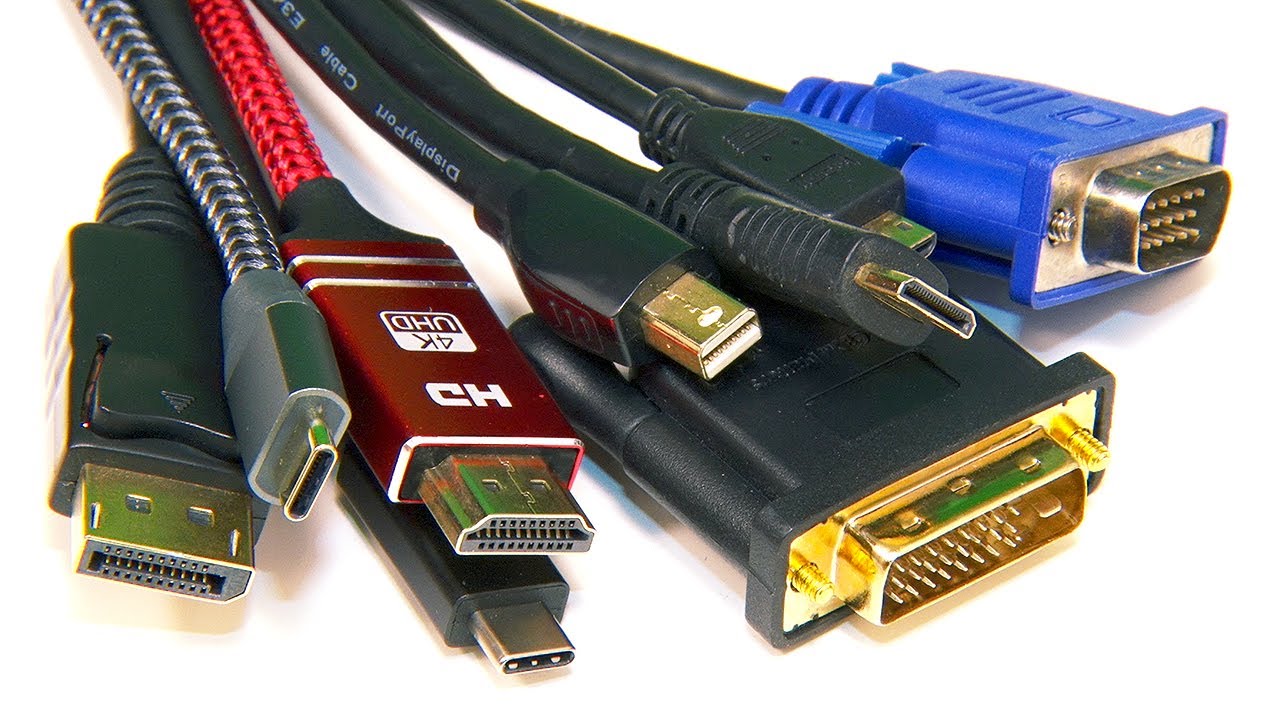
The Secret Journey of Monitor Cables: From Your Desk to the Display
The journey of monitor cables begins right at your desk, connecting your computer to its display. These cables, often overlooked, play a crucial role in transmitting visual data from your device to the screen. Without them, that stunning 4K resolution or vibrant color display would remain unseen. The most common types of monitor cables are HDMI, DisplayPort, and VGA, each serving a unique purpose in the ecosystem of digital media. As you set up your workstation, it’s essential to choose the right cable depending on your display's technology and your computer's output capabilities.
Once you have identified the appropriate monitor cable, its journey continues as it interfaces with various components to ensure seamless communication between the computer and monitor. Inside the cable, multiple strands are dedicated to different functions. For instance, in most HDMI cables, there are compliant wiring structures capable of supporting high-definition audio and video signals simultaneously. This complicated yet efficient flow of data is the essence of your visual experience, ensuring clarity and performance that enhance productivity and entertainment alike. Understanding this journey not only sheds light on the technology but also empowers you to make informed choices for future setups.
Keeping your workspace tidy is essential for productivity, and the Top 10 Cable Management Solutions for Monitors can help you achieve that. These solutions not only declutter your desk but also enhance the aesthetics of your setup. From cable trays to adhesive clips, there's a variety of options available to suit your needs.
Unveiling the Signal: How Monitor Cables Communicate with Your Screen
In the world of computing, monitor cables serve as vital conduits between your computer's graphics card and the display. These cables are designed to transmit video signals from the source to the screen, ensuring that what you see is a clear representation of your digital environment. There are several types of cables available, including HDMI, DisplayPort, VGA, and DVI, each functioning differently yet ultimately serving the same purpose: to communicate essential visual information. Understanding how these connections work can help you enhance your visual experience and optimize your setup.
Different monitor cables utilize varying technologies to achieve signal transmission. For example, HDMI cables support high-definition video and audio, making them ideal for modern displays and entertainment systems. On the other hand, VGA cables, which have been around for decades, convey analog signals, resulting in lower quality compared to their digital counterparts. The evolution of these cables has been shaped by the ever-increasing demands for better quality and faster refresh rates, as technology continues to advance rapidly.
What Happens Inside Monitor Cables? Debunking the Myths and Misconceptions
When it comes to *monitor cables*, there are numerous misconceptions that can lead to confusion among consumers. One of the most common myths is that all cables are created equal. In reality, different types of monitor cables, such as HDMI, DisplayPort, and VGA, each serve distinct purposes and offer varying levels of performance. For instance, HDMI cables are widely used for modern display technologies due to their ability to transmit high-definition video and audio simultaneously. Understanding the differences between these cables can help users choose the right connection for their specific needs, ultimately enhancing their overall viewing experience.
Another prevalent myth is that the length of a *monitor cable* significantly affects the quality of the signal. While it's true that extremely long cables can lead to signal degradation, most average-length cables (around 6 feet or less) maintain signal integrity effectively. Additionally, modern cables are designed with shielding and quality materials to minimize interference. Therefore, when selecting a cable for your setup, considering the type of cable and its specifications is more critical than just focusing on length. Debunking these myths empowers consumers to make informed decisions in their tech purchases.