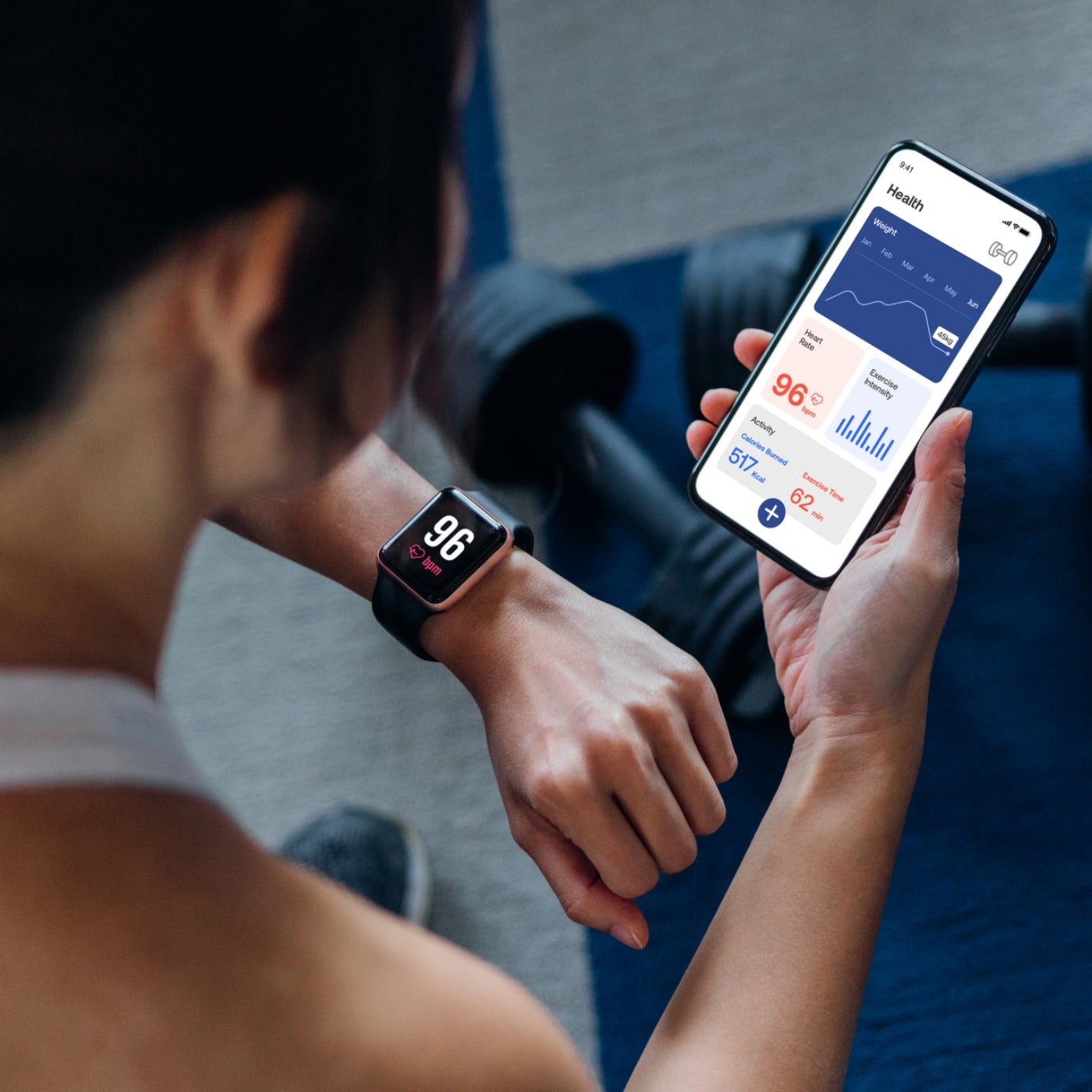
How Trackers Are Revolutionizing Personal Health Management
Trackers have become an integral part of modern health management by providing individuals with unprecedented insights into their personal well-being. From fitness trackers that monitor physical activity to smartwatches that track heart rates and sleep patterns, these devices are empowering users to take charge of their health. With the ability to gather real-time data, trackers enable users to set personalized goals and adjust their habits based on concrete feedback, ultimately promoting a more proactive approach to maintaining a healthy lifestyle.
The impact of trackers extends beyond just physical health; they also play a crucial role in mental well-being. Many devices feature reminders for mindfulness and stress reduction, allowing users to integrate wellness practices into their daily routines. With the added capability of syncing data with health apps, individuals can analyze trends over time. This data-driven approach encourages informed decision-making and fosters a greater understanding of one’s health journey, making trackers a revolutionary tool in personal health management.
Counter-Strike is a highly popular team-based first-person shooter game that pits terrorists against counter-terrorists in various objective-based scenarios. Its gameplay centers around strategy, teamwork, and precision, making it a staple in both casual and competitive gaming communities. Whether you’re defusing bombs or rescuing hostages, every round requires skill and communication to secure victory. For those looking to enhance their gameplay experience, consider exploring the Top 10 Alternatives to Bluetooth Trackers for effective in-game coordination.
The Surprising Impact of GPS Trackers on Travel and Adventure
The evolution of technology has brought about significant changes in how we experience travel and adventure. One of the most surprising impacts of GPS trackers is their ability to enhance safety and security during expeditions. With a GPS tracker, adventurers can share their real-time location with friends or family, providing peace of mind that was previously unattainable. This feature is particularly vital for solo travelers and outdoor enthusiasts engaging in activities such as hiking, mountain climbing, or even long-distance cycling where rescue could be complicated. As a result, GPS trackers have undoubtedly transformed our approach to exploration, allowing us to venture further into the unknown with confidence.
Moreover, GPS trackers have revolutionized the way we document our journeys. Many devices come equipped with features that effortlessly log our routes, distances, and even environmental conditions. This data can then be utilized to create detailed records of adventures, which can be shared with others through social platforms or travel blogs. Additionally, some GPS trackers offer community features where users can explore popular trails or routes taken by fellow adventurers, fostering a new spirit of connectivity among travelers. Ultimately, the impact of GPS trackers goes beyond mere navigation; it enhances the travel experience by marrying technology with exploration, encouraging a more profound connection to the places we discover.
Are Privacy Concerns Justified? The Double-Edged Sword of Modern Tracking Technology
The rapid advancement of tracking technology has undoubtedly transformed the way businesses interact with consumers. However, this evolution raises critical privacy concerns that many believe are justified. With tools like cookies, location tracking, and social media analytics, personal data can be collected and analyzed to an extent that was previously unimaginable. According to recent studies, a significant percentage of internet users express unease about how much their online activities are monitored. This discomfort is compounded by high-profile data breaches that have exposed sensitive information, making it clear that while tracking technology serves essential purposes for improving user experience, it also poses significant risks to individual privacy.
On the flip side, proponents of modern tracking argue that these technologies can enhance our lives by offering personalized content and improving service efficiency. For example, many mobile applications utilize location tracking to provide users with tailored recommendations, turning shopping and navigation into seamless experiences. Nevertheless, it’s crucial for businesses to strike a balance between leveraging data for convenience and protecting user privacy. As awareness of privacy concerns grows, calls for stricter regulations and transparency in data handling are becoming louder, suggesting that the double-edged sword of tracking technology needs careful management to safeguard an individual’s right to privacy.