The Hidden Impact of Charging Cables on Your Device's Performance
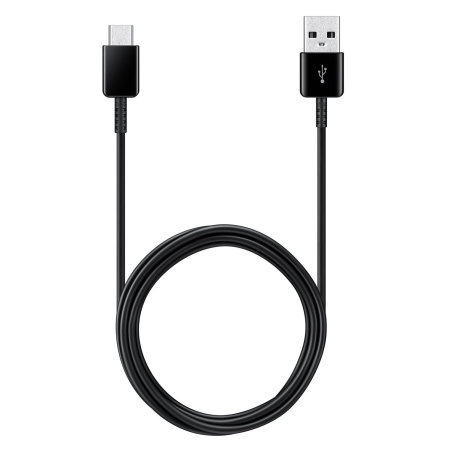
The choice of charging cables can significantly affect your device's performance. Many users overlook the impact of charging cables when it comes to charging speed and overall efficiency. For instance, using a low-quality or damaged cable may lead to slower charging times, which can strain your device's battery health over time. Furthermore, a poor connection can cause interruptions during charging, resulting in inconsistent power delivery that may hinder your device's operational efficiency.
Moreover, the hidden impact of charging cables extends beyond just charging speed. Incompatibility issues can arise if the cable does not meet the necessary specifications set by the device manufacturer. This can lead to potential software glitches, overheating, or even hardware damage. Therefore, investing in high-quality, compatible charging cables is essential not only for faster charging but also for maintaining the longevity and performance of your device in the long run.
Counter Strike is a popular series of tactical first-person shooters that emphasizes team play and strategy. Players can engage in various game modes, including bomb defusal and hostage rescue. For gamers looking for essential accessories, consider checking out the Top 10 Short Charging Cables to enhance your gaming experience.
Choosing the Right Charging Cable: What You Need to Know
When it comes to choosing the right charging cable, compatibility is key. Different devices often require specific types of cables for optimal performance. For instance, smartphones typically use USB-C or Lightning connectors, while laptops might need a USB-A or USB-C connection for charging. To make the best choice, always check your device's specifications or consult the manufacturer's guidelines to ensure compatibility. This will not only prevent charging issues but also extend the lifespan of your devices.
Additionally, consider the cable's length and durability. A longer cable can provide greater flexibility, allowing you to charge your device comfortably while using it. However, longer cables may result in slower charging speeds due to resistance. On the other hand, a shorter, thicker cable often promotes faster charging. Quality is another aspect to weigh—investing in a well-rated cable can save you from the frustration of a worn-out or ineffective charger. Always look for brands known for their reliability and check for user reviews to ensure you're making a wise investment.
Are You Using the Right Charger? Common Myths Debunked
When it comes to charging your devices, many people are led astray by common myths that can compromise both performance and safety. One prevalent belief is that using a third-party charger will damage your device. However, as long as the charger meets the necessary specifications for your device, you should be safe. In fact, many reputable third-party options are designed to provide the same quality and efficiency as original chargers. It's essential to check compatibility and select chargers that adhere to industry standards to ensure optimal charging.
Another popular misconception is that chargers with a higher wattage will charge your device faster. While it’s true that a charger with a higher wattage can deliver more power, many devices have built-in mechanisms to regulate the amount of power they accept. For instance, if your smartphone is designed to charge at 10 watts, using a 20-watt charger won’t double the charging speed; instead, it will still pull only 10 watts. Understanding these nuances can help you choose the right charger and maximize your device's performance without falling for myths that could lead to poor charging practices.