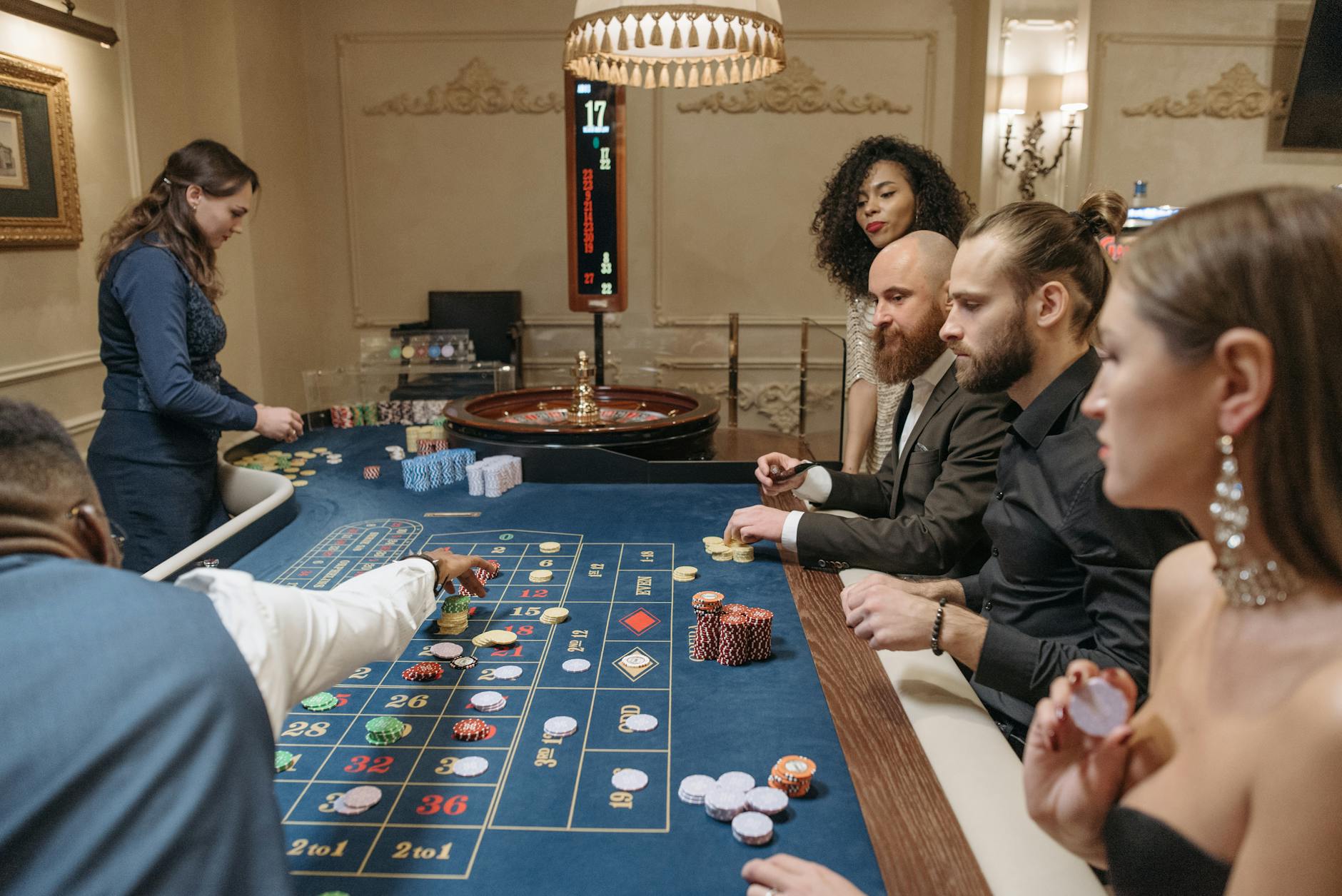
Understanding Fair Play: Verifying Smart Contract Wins & Dispelling Common Myths
When delving into the world of smart contracts, particularly those involving gaming or financial applications, understanding fair play is paramount. It’s not simply a matter of trusting the code; it’s about having the tools and knowledge to verify outcomes independently. Many assume the blockchain inherently guarantees fairness, which is largely true in terms of immutability and transparency. However, the 'fairness' of a specific game or lottery within a smart contract depends entirely on its initial design and implementation. For instance, a truly fair dice roll contract wouldn't just use a random number generator (RNG) – it would likely employ a verifiable random function (VRF) or a similar cryptographic method to ensure that the randomness cannot be manipulated by the contract creator or any participant. This distinction is crucial: the blockchain ensures the contract executes as coded, but it doesn't automatically validate the fairness of the underlying logic itself. Therefore, savvy users need to look beyond the surface.
One of the most persistent myths surrounding smart contracts is that once deployed, they are utterly immutable and therefore impervious to all forms of manipulation. While the code itself is immutable on the blockchain, this doesn't mean that external factors or initial vulnerabilities can't impact fair play. Consider the 'oracle problem': smart contracts often need to interact with real-world data (e.g., stock prices, sports scores) provided by external entities called oracles. If an oracle is compromised or provides biased data, the smart contract's execution, despite being fair according to its code, will produce an unfair outcome based on incorrect input. Another myth is that all smart contract-based games are 'provably fair.' While many strive for this, the degree of provable fairness varies widely. To truly verify a smart contract win, users should seek out:
- Audited codebases: Independent security reviews are vital.
- Transparent random number generation: Look for verifiable randomness.
- Decentralized oracle solutions: Minimize single points of failure for external data.
MetaMask casinos offer a decentralized and secure way to enjoy online gambling, leveraging the power of blockchain technology for transparent transactions and provably fair games. With a MetaMask casino, players can connect their wallets directly, ensuring privacy and control over their funds without the need for traditional banking methods. This innovative approach to online gaming is rapidly gaining popularity among crypto enthusiasts seeking a more secure and anonymous casino experience.
Beyond the Hype: Practical Steps for On-Chain Verification & Troubleshooting Your Winnings
Navigating the decentralized landscape can be exhilarating, especially when your digital assets are at stake. When it comes to verifying your on-chain winnings or transactions, moving beyond superficial wallet balances is crucial. The first practical step involves directly querying the blockchain explorer relevant to your asset (e.g., Etherscan for Ethereum, PolygonScan for Polygon). Input your wallet address or the transaction hash to gain immutable proof. Look specifically for the Value field, the Status (confirming 'Success'), and the number of Block Confirmations – the higher the confirmations, the more secure and irreversible the transaction. Don't solely rely on third-party aggregators or wallet interfaces, as these can sometimes experience delays or display cached information. Always cross-reference with the raw blockchain data to ensure complete accuracy and peace of mind.
Should you encounter discrepancies or find yourself troubleshooting a missing or incorrect balance, a systematic approach is your best ally. Begin by verifying the correct network selection within your wallet or the platform you're using. A common mistake is expecting an asset on the Ethereum mainnet to appear when your wallet is set to Binance Smart Chain. Next, double-check the contract address of the specific token you're expecting; adding a custom token with the wrong contract address will show a zero balance, even if the tokens exist elsewhere. If the issue persists, consider clearing your wallet's cache or trying a different browser. Finally, if all else fails, consult the project's official documentation or community channels (like Discord or Telegram) for known issues or specific support, providing them with your transaction hash for efficient resolution. Remember, the blockchain never lies, but interpreting it correctly sometimes requires a little detective work.