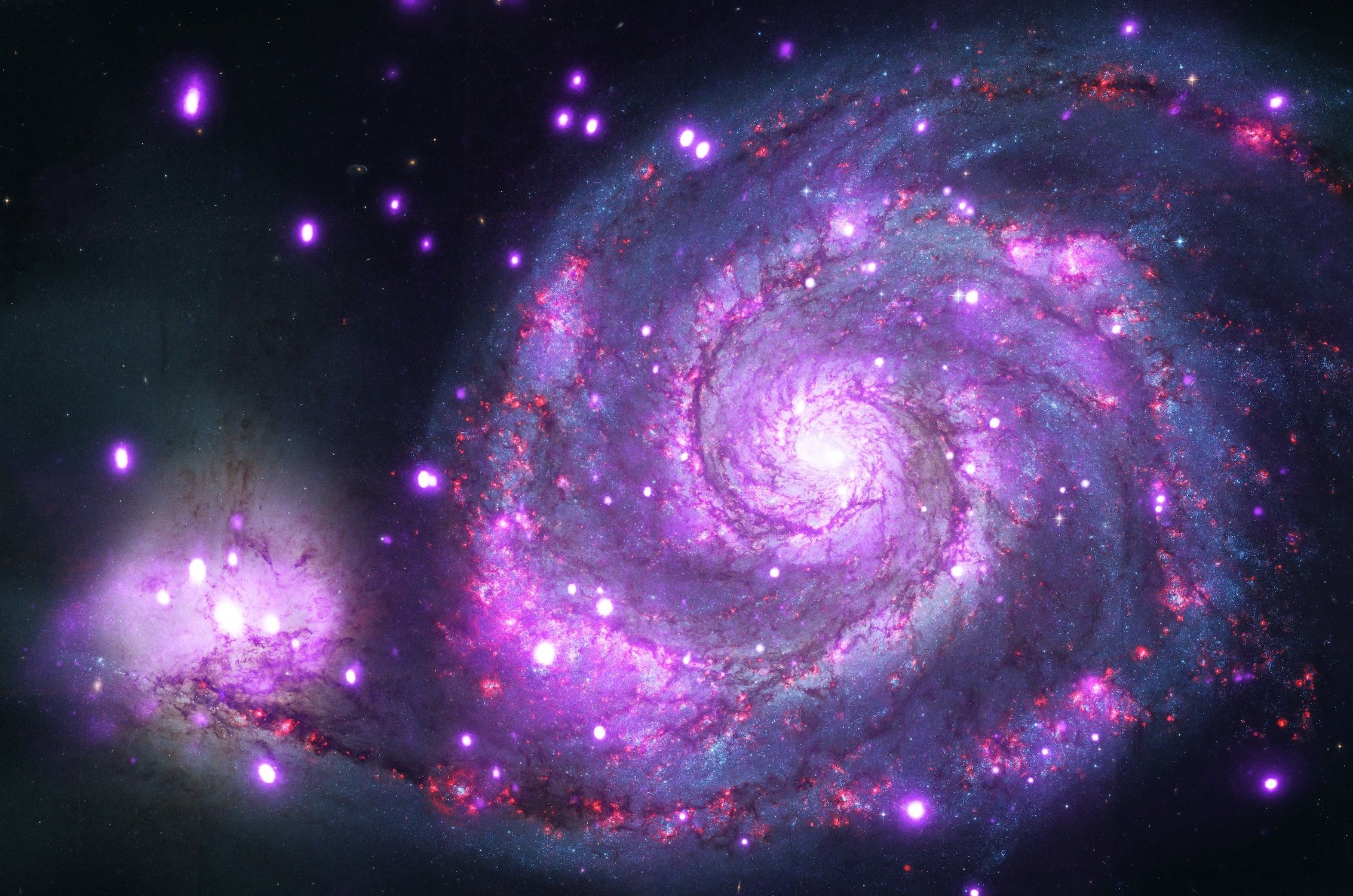
The Role of Cosmic Dust in the Formation of Stars and Planets
Cosmic dust plays a pivotal role in the formation of stars and planets by contributing to the molecular clouds that serve as the initial building blocks of these celestial bodies. In the vastness of space, tiny particles of dust collide and stick together, forming larger aggregates that eventually lead to the genesis of stars. This process begins in dense regions of molecular clouds, where the gravitational pull causes the dust and gas to coalesce, forming dense clumps that ignite stellar formation. Without cosmic dust, the intricate processes of star formation would be significantly altered, delaying or perhaps even preventing the birth of new stellar systems.
Furthermore, once a star is formed, the surrounding cosmic dust plays an integral role in the development of planets and other celestial bodies. As the star's energy begins to clear out the surrounding material, what remains are these particles of dust and gas that can come together to form planets, moons, and asteroids through a process known as accretion. This cosmic cycle highlights the essential nature of cosmic dust, not just in the initial stages of star formation, but also in the ongoing development of our universe, illustrating how small fragments can have a monumental impact on the existence of celestial systems.
Counter-Strike is a highly popular first-person shooter game that pits teams of terrorists against counter-terrorists in a variety of gameplay modes. Players can choose from a range of weapons and tactics, making each match unique and strategic. For gamers looking to enhance their experience, check out the Top 10 Samsung Galaxy Accessories that can improve gameplay and convenience. With its competitive scene and dedicated fan base, Counter-Strike continues to be a staple in the gaming world.
Exploring Our Place in the Universe: Are We Just Flecks of Stardust?
As we gaze into the vastness of the cosmos, it's hard not to feel a sense of insignificance. Exploring our place in the universe prompts deep philosophical questions: Are we merely flecks of stardust drifting through an unfathomable expanse? Scientific discoveries reveal that our very existence is tied to the stars. The carbon, nitrogen, and oxygen that compose our bodies were formed in the cores of ancient stars, created billions of years ago. This profound connection bridges the gap between the micro and the macro, reminding us that we are intrinsically linked to the universe itself.
Understanding our cosmic origins can shift our perspective on life and purpose. The realization that we share our existence with the cosmos can evoke a sense of unity and responsibility. As stardust, we are not just a collection of atoms, but part of a greater tapestry. We must ask ourselves: how can we contribute to the universe while navigating our place within it? Engaging in this exploration can inspire us to foster a deeper appreciation for our planet, its ecosystems, and the interconnectedness of all life forms, reinforcing the idea that while we may be small, our actions resonate throughout the universe.
The Dance of Galaxies: How Cosmic Dust Shapes Our Understanding of Existence
The universe is a vast tapestry woven from billions of galaxies, each dancing in an intricate ballet that transcends time and space. As we delve into the cosmic dust that fills these celestial realms, we uncover a treasure trove of information about the formation and evolution of stars and planets. This dance of galaxies is not just a visual spectacle; it's a fundamental part of the cosmic narrative that shapes our understanding of existence. By studying the minuscule particles of cosmic dust, astronomers can piece together the mysteries of how life could arise in the universe and what it means for our own place within it.
Moreover, cosmic dust plays a critical role in the lifecycle of galaxies, influencing star formation and the chemical evolution of the universe. The elements forged in the hearts of stars are dispersed back into space when they explode, enriching the cosmic dust that later forms new stars and planets. Understanding this cycle is crucial, as it highlights the interconnectedness of all matter in the universe. In essence, the dance of galaxies is a continuous process of creation and destruction, reminding us of our shared origins with everything that exists in the cosmos.