The Science Behind Braided Cables: Why They Outperform Traditional Options
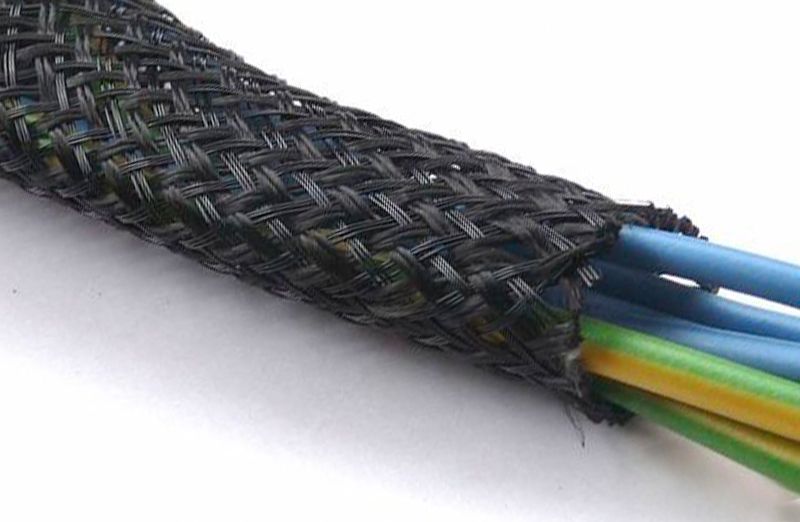
When it comes to technology, durability and performance are key drivers of consumer choice. Braided cables have surged in popularity due to their superior strength and longevity compared to traditional options. Unlike standard plastic cables that can fray and break, braided cables are woven from high-quality fibers that enhance their resistance to wear and tear. This unique construction not only increases the lifespan of the cable but also provides additional flexibility, reducing the chances of kinking or tangling. As a result, users can enjoy a more reliable connection for their devices, whether in charging or data transfer scenarios.
Moreover, the benefits of braided cables extend beyond mere aesthetics and durability. Their design aids in heat dissipation, which can prevent overheating during extensive use, a common issue with traditional cables. Additionally, many braided cables feature reinforced connectors that further resist damage where the cable meets the plug, an area often prone to weakness. This combination of strength, flexibility, and heat resistance makes braided cables not only a practical choice but also an investment in performance for any tech-savvy consumer.
If you're looking for durability and style, check out the Top 10 Braided USB C Cables that combine both for an optimal charging experience. These cables not only resist tangling but also come in various lengths and colors to match your tech setup. Whether you need a cable for fast charging or data transfer, this list highlights the best options available today.
Common Myths About Braided Cables Debunked
Many users believe that braided cables are inherently more durable than their non-braided counterparts. While it is true that the outer layer of a braided cable offers some level of protection against abrasions and fraying, it does not guarantee that the internal wiring is of higher quality. In fact, the durability of a cable depends more on the materials and construction methods used rather than the braid itself. Therefore, it’s important to look beyond the braid and consider the overall build quality when choosing a cable.
Another common myth is that braided cables improve performance in terms of data transfer speeds. The reality is that the performance of a cable is primarily influenced by its specifications, such as the gauge and the type of connectors used. While some may argue that a braided cable looks more aesthetically pleasing and can reduce tangling, it does not necessarily enhance the speed or reliability of data transmission. Always check for the appropriate certifications and specifications to ensure you are getting a cable that meets your performance needs.
How to Choose the Right Braided Cable for Your Needs
Choosing the right braided cable for your needs involves understanding the specific requirements of your devices and applications. Begin by identifying the type of devices you will be connecting. For instance, if you are looking for a cable to charge your smartphone, consider factors like the charging speed and compatibility with fast-charging technologies. Additionally, examine the length of the cable; too short may lead to inconveniences, while too long can create clutter. Look for braided cables made with durable materials to ensure longevity and resistance to wear and tear.
Another crucial factor to consider is the braided cable's connector type. Common options include USB-C, Lightning, and Micro USB, each suited for different devices. Make sure the connectors are not only compatible with your gadgets but also capable of handling data transfer if that is a requirement for you. Moreover, pay attention to customer reviews and ratings to gauge the performance and reliability of the cable you are considering. This research will help you make an informed decision and invest in a cable that meets your specific needs effectively.