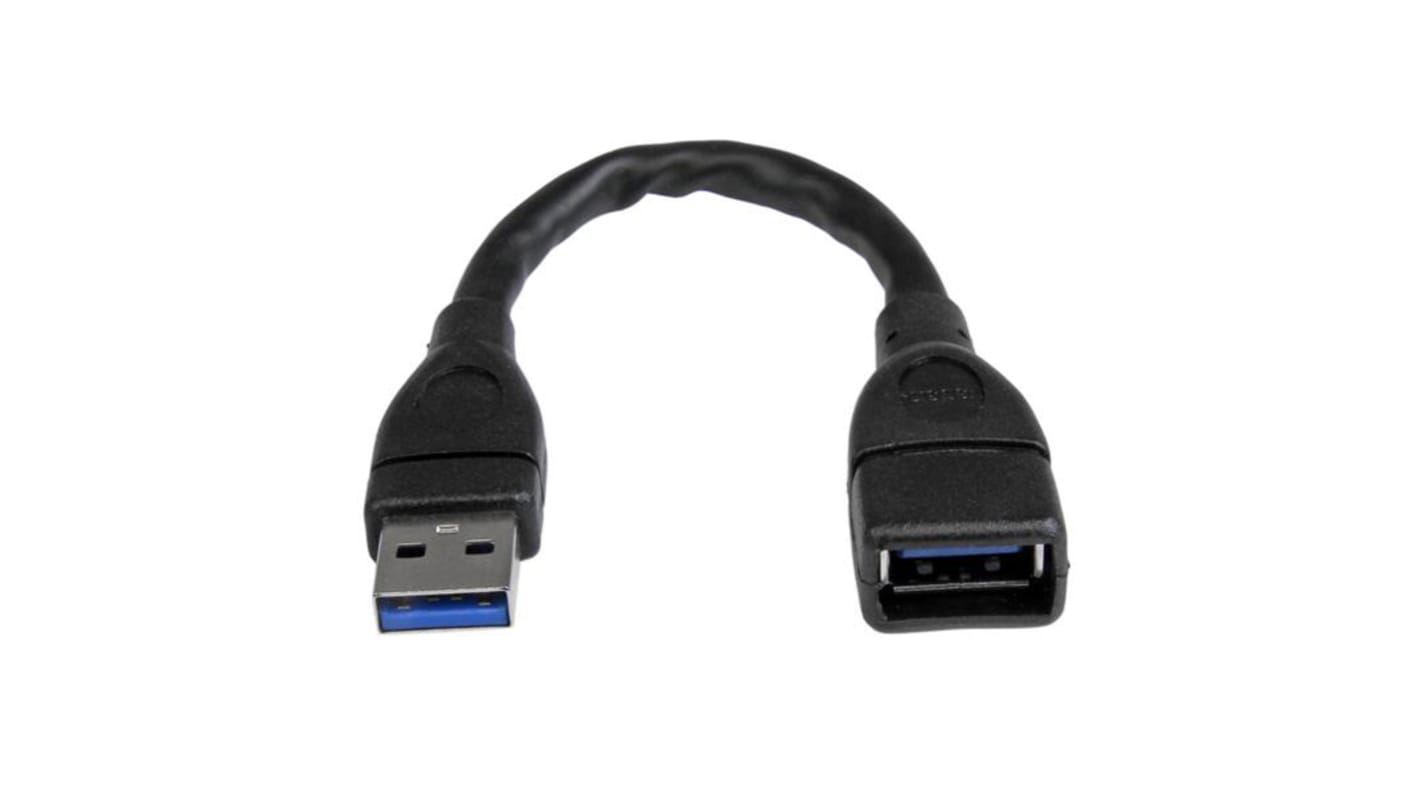
The Evolution of USB Cables: From USB-A to USB-C
The evolution of USB cables is a fascinating journey that reflects the rapid advancements in technology. Initially, USB-A connectors emerged in the late 1990s, providing a standardized interface for devices to communicate and charge. They quickly became the backbone of computer peripherals, ranging from keyboards and mice to external drives. However, as technology progressed and devices became more compact and versatile, the limitations of USB-A, such as its larger size and one-way connection, prompted the development of newer alternatives.
In 2014, USB-C was introduced as a game-changing solution to these limitations. Featuring a reversible design, it allows for ease of use—users can plug it in either way without frustration. Furthermore, USB-C supports faster data transfer speeds and higher power delivery, accommodating modern devices that require more energy like laptops and smartphones. Today, USB-C has become the universal standard, offering a single cable solution for multiple devices, empowering users with flexible connectivity options that are here to stay.
If you're looking to upgrade your gaming or typing experience, consider investing in a coiled keyboard cable. These cables not only reduce clutter on your desk but also come in various colors and lengths to match your setup. To find the best options available, check out the Top 10 Coiled Keyboard Cables for detailed reviews and specifications that suit your needs.
Debunking USB Myths: What You Really Need to Know About Charging and Data Transfer
USB technology has become an integral part of our daily lives, but numerous myths surrounding it can lead to confusion. One common misconception is that all USB cables offer the same charging power and data transfer speeds. In reality, various USB standards exist, including USB 2.0, 3.0, and the newer USB-C, with each capable of different performance. For example, USB 3.0 can transfer data at a speed of up to 5 Gbps, whereas USB 2.0 caps at just 480 Mbps. Additionally, not all cables are created equal; using a high-quality cable designed for your specific USB standard is essential for optimal performance.
Another prevalent myth is that charging speeds are solely determined by the power adapter. While the adapter does play a role, the charging technology used by your device and cable is equally crucial. Modern devices often support Qualcomm Quick Charge or USB Power Delivery (PD) that facilitate faster charging. To maximize charging efficiency, ensure that you use a compatible charger, cable, and device. Always check the specifications of your accessories to avoid the pitfalls of using mismatched components, which could lead to slower charging or even damage.
Choosing the Right USB Cable: A Guide to Compatibility and Performance
When it comes to choosing the right USB cable, compatibility is key. There are various types of USB cables, including USB-A, USB-B, and USB-C, each designed for specific purposes. USB-C cables are particularly popular due to their versatility and fast data transfer capabilities. Make sure to check your device's specifications to ensure that you select a cable that matches its requirements. To simplify the process, here’s a quick checklist:
- Identify the USB type your device uses.
- Consider the data transfer speed you need, which could range from USB 2.0 to USB 3.2.
- Look for cables that support your device's charging requirements.
Performance also plays a significant role when choosing a USB cable. A well-constructed cable can drastically improve both data transfer speeds and charging efficiency. Low-quality cables may not only perform poorly but can also damage your devices. To ensure optimal performance, consider the following factors:
- Length: Longer cables can lead to slower data transfer speeds.
- Build Quality: Look for cables with reinforced connectors and durable insulation.
- Brand Reputation: Choose cables from reputable manufacturers to ensure quality and reliability.